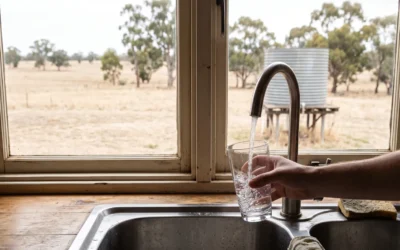
What is bore water? It is groundwater: water held underground in an aquifer and brought to the surface through a bore. A water bore is a hole drilled into the ground to reach the aquifer, the layer of water-bearing rock or sand below the surface. A pump then brings that groundwater up for use on your property.
On a rural block, bore water can supply the house, the stock, the garden and irrigation. This guide explains where it comes from, how a bore gets it to the surface, what it is used for, and what to know about water quality and licences in NSW.
Where bore water comes from
Bore water comes from aquifers, which Geoscience Australia describes as geological formations able to store and transmit water. Depending on what is under your property, the water may sit in soft ground such as sand and gravel, or in hard rock such as sandstone, shale, basalt or granite.
How deep the water sits, and how much a bore can deliver, changes from one site to the next. That is why a bore is sited on the geology first, using aquifer mapping, the depth of the water table and the records from surrounding bores. A bore drilled fifty metres from the right spot can cost you half the yield.
How a bore brings the water to the surface
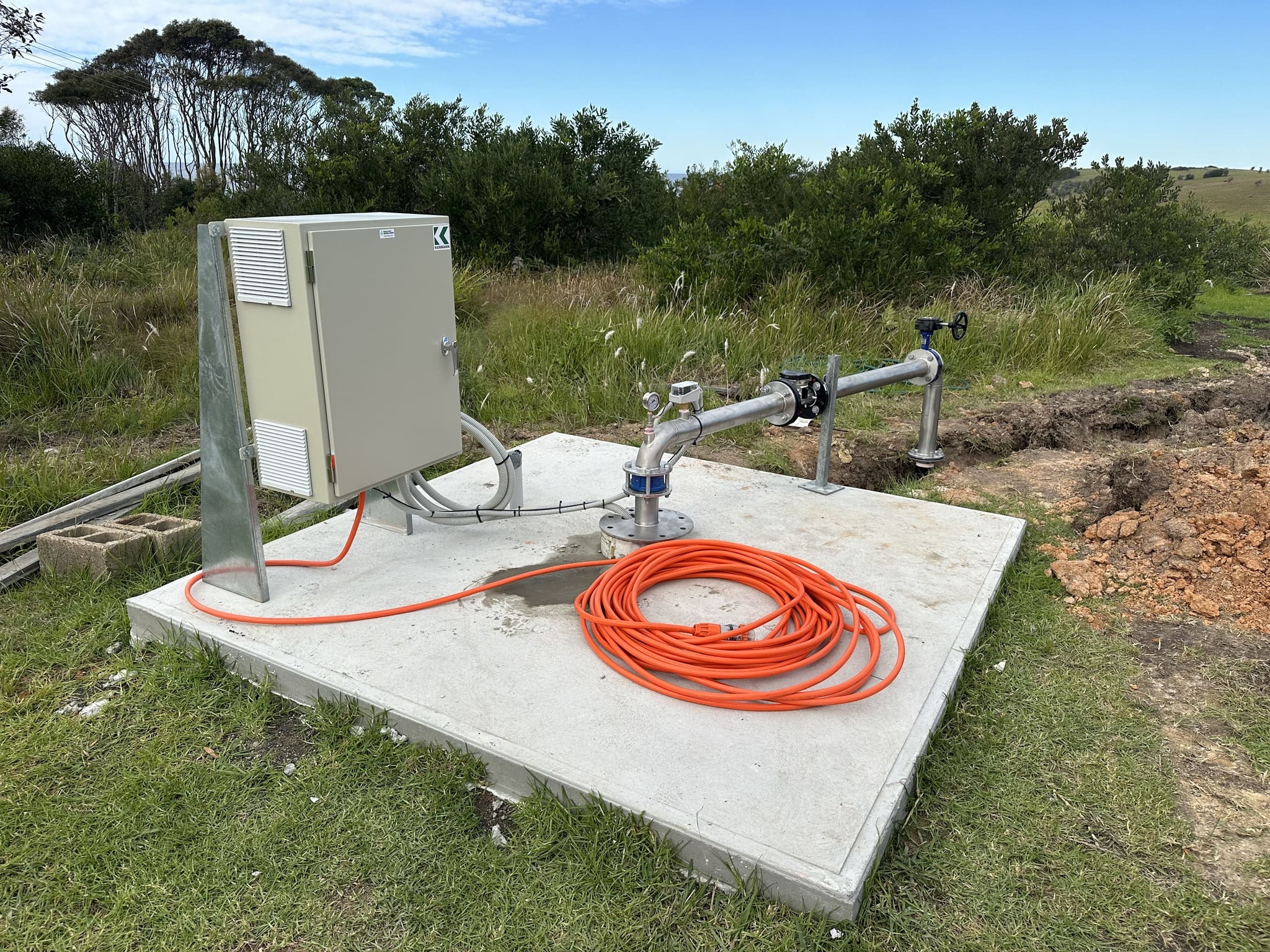
A bore is drilled down to the water table, lined with casing and a screen to keep it stable and clean, and fitted with a pump. The pump draws water from the aquifer up to your tanks, your irrigation or the household supply.
The drilling method depends on the ground. Mud rotary suits soft ground, where the drilling fluid holds the hole open, and air drilling suits hard rock, where it shows water as soon as the bore intersects it. Our water bore drilling page walks through each step, from the free site assessment to handover.
Before the pump goes in, the bore is test pumped. That gives three numbers: the sustainable yield in litres per second, the standing water level, and the drawdown while the pump is running. The pump is sized against them, because a pump that draws more than the bore can sustain runs dry and burns out. More on that in bore pump installation.
What bore water is used for
Bore water is used for four main things:
Household: drinking, washing, the garden and a swimming pool.
Stock: water for the animals kept on the property.
Irrigation: farms, vineyards and other irrigated land.
Commercial and industrial supply: production bores on commercial and industrial sites.
Each use asks something different of the water. A household supply has to meet drinking water guidelines, drip irrigation needs water clean enough not to block emitters, and stock water has its own limits again.
Is bore water safe to drink?
Not automatically. It depends on the aquifer and how the bore was built. Iron, manganese, hardness and salinity are common, and bacteria can be present.
Most bore water can be brought to drinking standard with the right treatment, but it has to be tested first. Our guide is bore water safe to drink? covers what to test for and how it is treated, and bore water filtration covers the systems we install.
Do you need a licence for bore water in NSW?
If you own or occupy land overlying an aquifer, you have a basic landholder right to take groundwater for domestic use and for watering stock, without buying a water access licence. You still generally need an approval for the works, which covers the bore itself.
Irrigating a commercial crop, running a business process or filling a dam for sale is different. Once the water earns money, you need a water access licence. A test bore, drilled to find out what is there before committing to a production bore, is a separate approval again.
Our bore water licence NSW guide explains each one, and we organise the paperwork through Water NSW.
Thinking about a bore on your property?
BG Water Solutions has drilled water bores for homes, farms and commercial properties across NSW and the ACT since 2008. We handle the whole job, from the licence and the drilling to the pump and the water treatment.
Every job starts with a free site assessment, and if we drill and don’t hit water, we don’t charge. Book a free assessment or call 0408 915 449.